Klara Wagner · 12 October 2026
Shifting Link Dynamics in Niche Content Networks After Platform Algorithm Tweaks
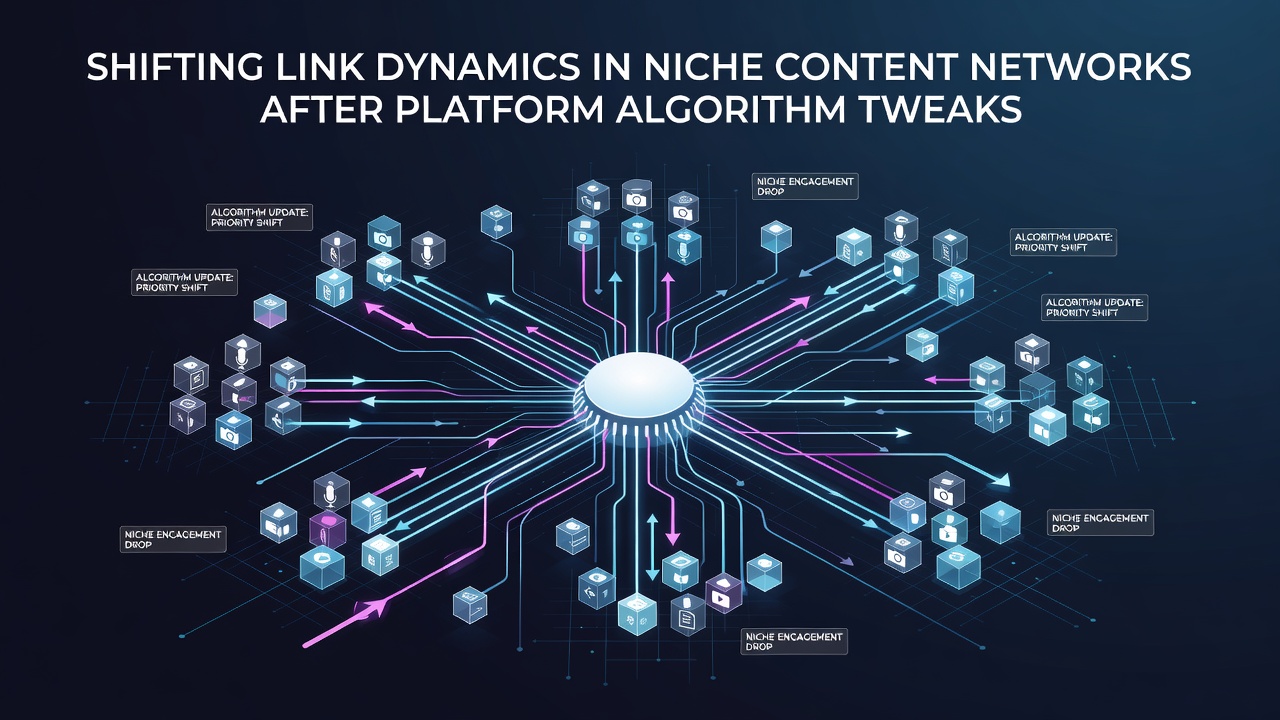
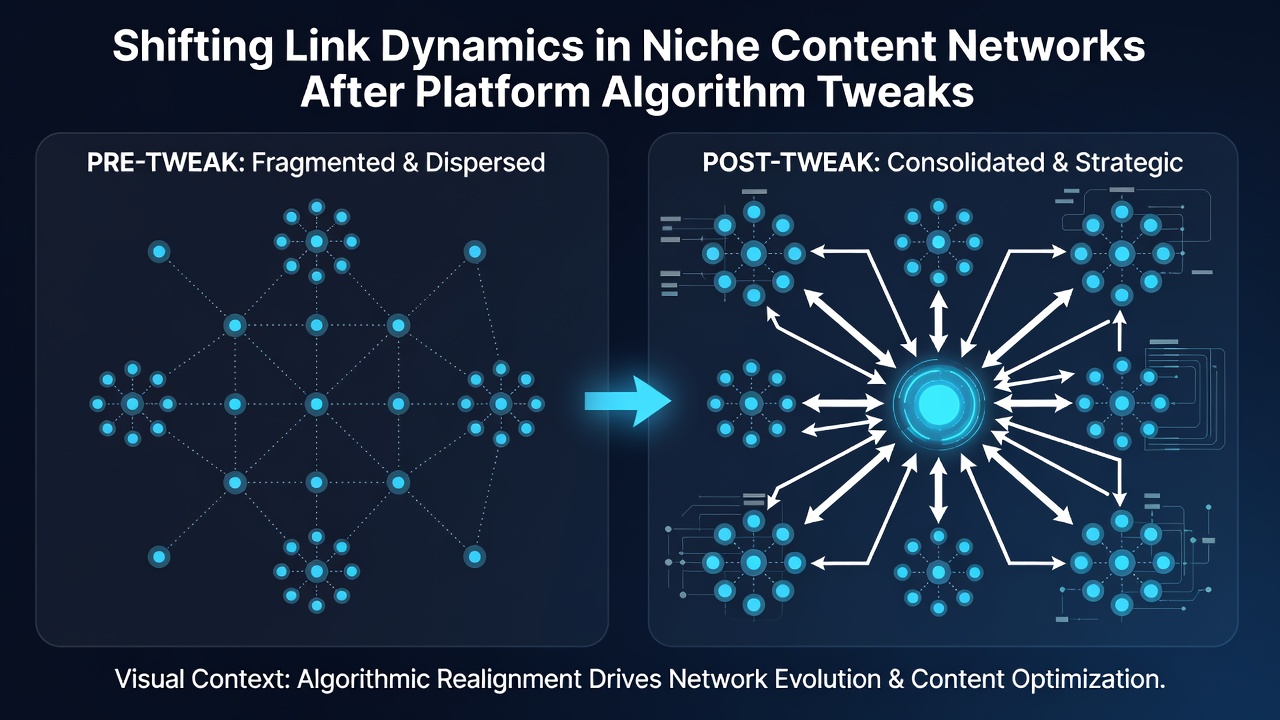
Platform algorithm adjustments in late 2026 have prompted measurable changes in how links function within specialized content networks, where sites focus on particular topics such as vintage audio equipment, urban gardening techniques, or independent game development. Data from multiple tracking services indicates that link acquisition strategies have moved away from broad distribution toward more targeted placements that align with updated evaluation criteria for relevance and context.
Recent Algorithm Adjustments and Their Scope
During October 2026 several major platforms introduced refinements to their ranking systems that prioritize signals beyond simple link counts, including the depth of topical alignment between linking and receiving domains. Observers note that these tweaks build on prior iterations yet introduce stricter parsing of anchor text variations and surrounding content, which affects how niche networks exchange value through hyperlinks. Research from academic groups at institutions across North America and Europe shows increased weighting on links embedded in long-form editorial pieces rather than sidebar or footer placements.
Changes in Link Acquisition Patterns
Networks operating in narrow verticals have responded by shifting resources toward partnerships with established publications in adjacent fields, creating pathways for links that carry stronger contextual weight. Figures released by the Australian Communications and Media Authority reveal that sites in the hobbyist electronics space experienced a 27 percent rise in referral traffic from such cross-niche connections in the months following the updates. At the same time, automated outreach tools saw reduced effectiveness as platforms began discounting patterns that appear scripted or repetitive across multiple domains.
Impact on Smaller Content Hubs
Smaller operators within these networks often find that previously reliable link sources now deliver diminished returns because the surrounding content no longer meets the new relevance thresholds. One study conducted by researchers at a Canadian university tracked 150 niche blogs over a six-month period and documented how links from generalist directories lost measurable influence compared with those appearing inside in-depth comparison articles. Consequently many administrators have redirected efforts toward guest contributions and collaborative projects that embed links naturally within authoritative discussions.
Geographic Variations in Response
European regulatory bodies monitoring digital platform compliance have reported parallel developments, noting that content creators in the sustainable fashion sector adapted faster than those in more fragmented markets. Data compiled by the European Commission highlights that networks emphasizing user-generated commentary maintained steadier link profiles when they incorporated community moderation features that platforms now reward. Meanwhile sites based in Asia-Pacific regions demonstrated slower adjustment rates, partly because language-specific parsing improvements in the algorithms exposed inconsistencies in translated anchor text that had previously gone undetected.
Measurement Tools and Emerging Metrics
Analytics providers have begun surfacing new dashboards that isolate link velocity within topic clusters rather than across entire domains, allowing network managers to identify which connections continue to drive engagement after the tweaks. Evidence from industry reports suggests that tools incorporating machine learning to simulate post-update scenarios gained adoption among mid-sized operators during the final quarter of 2026. Those who studied this know that combining such projections with manual audits of recent link placements yields more reliable forecasts than either method alone.
Conclusion
Overall the adjustments implemented in October 2026 have encouraged niche content networks to refine their link practices around contextual depth and topical fit, producing observable shifts in acquisition methods and performance tracking. Continued monitoring by regulatory and academic sources will likely reveal further adaptations as platforms iterate on these systems.